35.
The number that shadows every fertility appointment.
You can be super fit, well organised, rising the ranks in your job, and have your finances and life together. Then someone mentions “geriatric pregnancy”, ‘’AMH’’ and ‘’laparoscopic surgery’’ and suddenly you’re knee deep in vocab, white coats and a world nobody told you about.
If you're trying to conceive over 35, your heart may be sinking.
Let's be honest with each other. Yes, Age matters. But that isn't the whole story.
There are things you cannot control about fertility, including your age and the natural changes in your eggs. There are also things you can influence: your nutrition, general health, lifestyle habits and the support you seek.
None of these guarantees a pregnancy. But understanding what you can do, and what deserves medical attention, can help you feel better informed and find the support you need so you don’t have to go it all alone.
My own fertility journey: looking for answers
When I was struggling to get pregnant, I was desperate to understand why. I wanted answers, and I wanted to do everything I could to support my desire to become a mother.
There was no obvious reason why (believe me that's as frustrating as having a reason) so I decided to take control of the parts of the process I felt I could influence: my food, my stress and my lifestyle.
Alongside 7am appointments at the fertility clinic for scans, blood tests and investigations, I sought out the best or most recommended complementary practitioners and practices to support my goal.
I attended late-evening online webinars with Dr Marilyn Glenville, took Zita West supplements, signed up for weekly acupuncture sessions, gave up coffee and wine, started eating more veg, read books on fertility, and worked harder to get a handle on my overshot nervous system.
The hardest part wasn't necessarily changing my habits. It was fitting everything around a demanding job, long hours and a male boss I struggled to communicate with.
Time off wasn't an option. And, by my own choice, only a handful of people close to me knew what I was going through.
It was a time in my life where I felt vulnerable, afraid, ashamed and very alone.
Looking back, I wish I'd opened up sooner. Since then, I've written about it, spoken with friends about it, and worked with women who understand just how isolating trying to conceive can feel, especially when it seems as though everyone around you is getting pregnant without even trying.
And if you're in that place now, I want you to know: you don't have to navigate this alone.
First, what isn't in your control?
Before we talk about the best fertility diet or which supplements to take, let's start with what food and lifestyle changes cannot do.
Because the last thing you need is to feel that if you could just find the right kale smoothie recipe, eliminate the right food or relax a little more, pregnancy would automatically follow.
1. Your age
Female fertility declines with age, particularly from the mid-30s onwards. This is largely because both the number of eggs remaining in the ovaries and the proportion of eggs with the right chromosomal complement change over time.
That matters when you're trying to conceive over 35, and it is one reason why seeking timely medical advice is important.
It is not a judgement on you, your lifestyle or how well you've looked after yourself.
2. Your ovarian reserve and egg quality
Your fertility specialist may recommend an AMH blood test (anti-Müllerian hormone) or an antral follicle count on ultrasound to help assess your ovarian reserve.
These tests can provide useful information about egg quantity and how your ovaries might respond to fertility treatment. They do not directly measure egg quality, and a single result cannot tell you whether you will conceive naturally.
A reassuring result doesn't guarantee pregnancy, and a low result doesn't automatically mean pregnancy is impossible.
Ask your doctor what your results mean in the context of your age, menstrual cycle, medical history and fertility goals.
3. Medical conditions and sperm health
Conditions such as endometriosis, blocked fallopian tubes, thyroid disorders and polycystic ovary syndrome (PCOS) can affect fertility. Male-factor fertility issues can also play a significant role.
Nutrition and lifestyle support may be helpful alongside medical care, but they cannot unblock fallopian tubes, treat every hormonal condition or resolve every sperm-related problem.
A useful rule of thumb: nutrition, lifestyle support and medical care are partners, not alternatives to each other.
When should you seek fertility help?
If you're 35 or older and haven't conceived after six months of trying, arrange a fertility assessment. If you're over 40, or you have irregular or absent periods, known endometriosis, a history of pelvic problems or another known fertility concerns, seek advice sooner.
You don't have to wait until you've spent a year trying to conceive before asking for help.
Now, what can you influence when trying to conceive over 35?
This is where nutrition and lifestyle can play a valuable supporting role.
Think of these habits as a way to support your overall health and prepare for pregnancy, while working with your doctor to investigate any fertility concerns.
1. Folic acid before pregnancy: the one to prioritise
If you're trying for a baby, start here.
The NHS recommends taking 400 micrograms of folic acid every day, ideally beginning three months before conception and continuing through the first 12 weeks of pregnancy.
Folic acid helps reduce the risk of neural tube defects, which affect the developing brain and spine. This is one of the clearest, best-established recommendations for anyone planning a pregnancy.
Some people need a higher dose, such as 5 mg, depending on their medical history and risk factors. Ask your GP whether this applies to you.
Dark green leafy vegetables, beans, lentils and other foods provide folate, the naturally occurring form of the vitamin. They're excellent additions to a fertility-supportive diet, but they don't replace the recommended supplement.
Practical tip: keep your folic acid somewhere you'll see it every morning - i.e. beside the kettle or taps. A habit that takes five seconds is easier to maintain than one that requires another decision.
2. Eat more Mediterranean-style meals
You don't need a restrictive fertility diet or a list of forbidden foods.
A sensible starting point is a Mediterranean-style way of eating: vegetables, fruit, whole grains, beans, lentils, nuts, olive oil and fish, alongside adequate protein and enough food to meet your needs.
Sweets treats are usually fresh fruit eaten at the end of a meal
Research has associated Mediterranean-style eating with some favourable fertility outcomes, including in certain assisted-reproduction settings. However, much of the evidence is observational, and it doesn't prove that this way of eating will make an individual more likely to conceive.
What we do know is that this approach can support cardiovascular and metabolic health and help you build a varied, nutrient-rich diet.
And it can be delicious.
Think roasted Mediterranean vegetables with chickpeas and olive oil. Lentil soup with wholegrain bread (check out my bread with benefits recipe). Salmon with stir fry greens and baked sweet potatoes. Greek yoghurt with berries and nuts.
Practical tip: instead of focusing on what you need to cut out, ask what you could add to your plate. Could you include another vegetable at lunch, beans in your soup, swap butter for olive oil or a handful of nuts as an afternoon snack?
3. Choose fats that support overall health
Fat is not the enemy. Your body needs dietary fat, and the type of fat you eat matters for your cellular and general health.
Olive oil, nuts, seeds, avocado and oily fish are useful choices. Oily fish such as salmon, sardines and mackerel provide long-chain omega-3 fatty acids.
Some observational studies have linked omega-3 intake with reproductive outcomes, but the evidence isn't strong enough to say that eating more omega-3 will improve your chances of conceiving.
Practical tips: try tray roasted Mediterranean vegetables with salmon, olive oil and a green salad. It's an easy way to bring several nutritious ingredients together without making dinner another fertility-related task.
4. Support your blood sugar without dieting harder
Blood sugar regulation and reproductive health can be connected, particularly in people with insulin resistance or PCOS.
If you have PCOS, a nutritionist or health care provider may help you develop an approach to eating and movement that supports your metabolic health and menstrual cycle.
But please don't assume that eating less, losing weight or exercising harder is the only way of achieving that goal.
Under-eating and excessive exercise can disrupt menstrual function in some people. Your body needs adequate energy and nutrients to support normal reproductive function.
You don't need to chase perfect blood sugar numbers or follow a rigid diet to look after yourself.
Practical tip: build meals around a combination of protein, fibre-rich carbohydrates and healthy fats. Eggs and avocado, Greek yoghurt with nut butter, or bean and vegetable soups are simple examples.
5. Check your vitamin D intake
Living in northern Europe can make vitamin D worth considering, particularly during the darker months.
UK guidance recommends that adults consider taking 10 micrograms (400 IU) of vitamin D daily during autumn and winter, with year-round supplementation advised for certain groups.
Your individual requirements may differ, particularly if you have a deficiency or a medical condition that affects vitamin D levels.
Vitamin D is important for bone and muscle health, but evidence that taking extra vitamin D improves fertility in people who are not deficient remains uncertain.
Practical tip: check the label on your prenatal multivitamin before buying separate supplements. You may already be getting vitamin D and folic acid in one product. Ask your doctor or pharmacist before combining supplements, especially at higher doses.
6. Alcohol, smoking and your coffee habit
When you're trying to conceive, it's sensible to review your alcohol intake, smoking and caffeine habits.
The NHS advises avoiding alcohol when trying to conceive and stopping smoking. If stopping feels difficult, seek professional support rather than trying to manage it alone.
Coffee is a little more nuanced. Evidence about caffeine and fertility is mixed, so you don't need to assume that every cup has ruined your chances.
Once you're pregnant, NHS guidance recommends limiting caffeine to no more than 200 mg per day. Artisan coffees can contain considerably more caffeine than you might expect.
If giving up coffee feels overwhelming, start by understanding how much caffeine you're actually drinking.
My practical tip: find an alternative you genuinely enjoy. A single shot cappucino, a favourite herbal tea or a homemade low-sugar cacao-based drink can make a change feel like a treat rather than a punishment.
7. Remember that fertility involves both partners
Fertility is not solely a woman's responsibility. Your partner's habits matter, too.
Sperm health can be affected by age, medical conditions, smoking, alcohol and other lifestyle factors. A semen analysis may be an important part of investigating why conception isn't happening.
When fertility assessment is needed, both partners should generally be evaluated in parallel where applicable. That can help avoid losing valuable time focusing on only one person.
Many of the everyday habits discussed here, including balanced eating, adequate sleep, not smoking and limiting alcohol and caffeine, are relevant to both partners' general health.
Practical tip: Plan meals together, review your preconception health with your respective healthcare professionals and attend appointments together when possible.
You shouldn't have to carry the entire process on your own.
8. Look after your sleep and stress levels, without blaming yourself
If you've ever been told to “just relax and it'll happen”, you may have wanted to punch something.
It's dismissive of how complex fertility can be, and it can leave you feeling responsible for something you cannot fully control.
Stress can affect sleep, mood, relationships and how well you're coping with the uncertainty of trying to conceive. The relationship between stress and fertility is complex, though, and stress alone is rarely an adequate explanation for difficulty conceiving.
Breathing exercises, gentle movement, time outdoors, counselling or other supportive practices may help you feel more grounded. They're worthwhile for your wellbeing, not because you need to become perfectly calm to get pregnant.
Practical tip: choose one small ritual that helps you switch off. Take a walk in daylight, put your phone away before bed or spend ten minutes doing something that has nothing to do with fertility.
You deserve moments in your life when trying to conceive isn't the only thing on your mind.
What if you're doing everything right and still not getting pregnant?
This is the part I particularly want you to hear.
You can eat well, take folic acid, sleep reasonably, exercise appropriately and do everything your doctor recommends, and still not conceive.
That doesn't mean you've failed.
Nutrition and lifestyle are important parts of preconception health, but they cannot reverse the effects of age or resolve every underlying cause of infertility.
If you've been trying for six months and you're 35 or older, ask for a fertility assessment. If you're over 40 or have a known risk factor, seek advice sooner.
You might want to ask your doctor and whoever else you’ve made part of your healthcare team:
What do my results tell us, and what don't they tell us?
Should we assess ovulation, my fallopian tubes and my partner's sperm?
Are any of my medications or supplements worth reviewing before pregnancy?
Would a referral to a fertility specialist be appropriate?
Is there anything I can do to support my health alongside medical investigations or treatment?
You don't need to know all the answers before you make the appointment. That's what your healthcare team is there for.
How fertility nutrition coaching can help
When you're trying to conceive over 35, it can feel as though everyone has advice. One person recommends supplements, another tells you to cut out dairy, and the internet offers a new fertility diet or piece of advice every week.
It's exhausting trying to work out what's relevant to you.
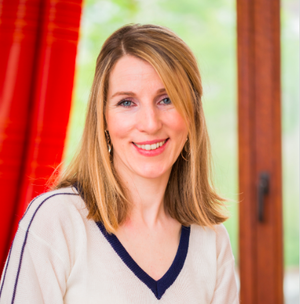
As a nutritionist and women's health coach, I can help you make sense of the nutrition and lifestyle side of preconception health.
Depending on your individual needs, that might mean reviewing your current eating habits, identifying nutritional gaps, making sense of the advice you've been given, building realistic meals around your working day or finding manageable ways to support your wellbeing while you're navigating fertility investigations.
The aim isn't to give you another long list of things to do. It's to help you focus on what is relevant, achievable and appropriate for you.
Coaching doesn't diagnose or treat infertility, replace your fertility specialist or guarantee pregnancy. It can, however, give you practical support and a clearer plan for the things within your control.
I work with women in Brussels and online, so you can access support that fits around your life.
Explore my Fertility Over 35 page to learn more about how I can support you.
Or, if you're ready to get moving on support already, book the session that most meets your needs .
The bottom line: you don't have to do everything
Age matters when it comes to fertility. So do medical factors that nutrition and lifestyle alone cannot fix.
But the things you can influence are still worth paying attention to.
Start with the basics: folic acid, balanced and adequate meals, appropriate preconception care and a plan to get medical advice when you need it. Build from there, one manageable step at a time.
And please don't turn every meal, coffee, late night or stressful day into the reason you’re not yet a mother.
You deserve support, not another reason to blame yourself.
Medical disclaimer: This article is for general information only and is not a substitute for individual medical advice, diagnosis or treatment. Fertility needs and supplement requirements vary from person to person. Please speak with your GP or fertility specialist about your individual circumstances, especially if you're over 35 and trying to conceive.