

GI-MAP Test
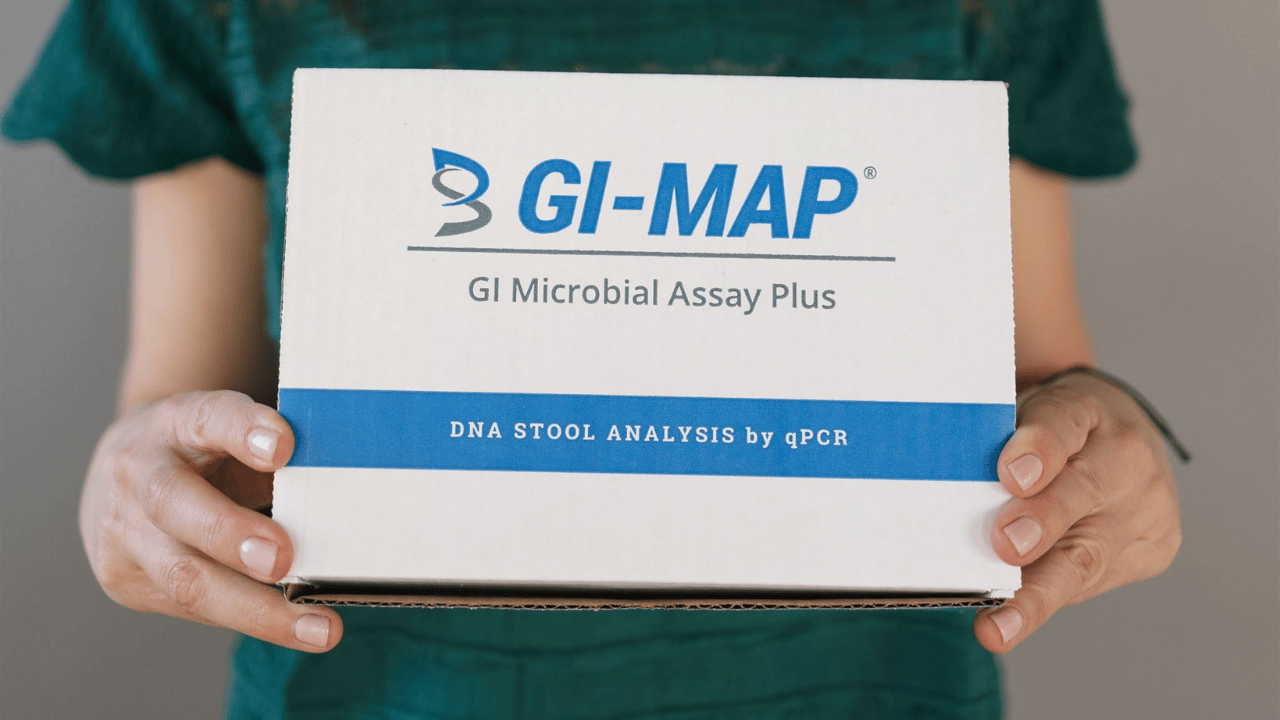
What is a GI-MAP test?
GI-MAP stands for Gastrointestinal Microbial Assay Plus. It's an advanced stool test that examines your gut microbiome, digestive function, inflammation, immune health, and the presence of bacteria, parasites, viruses, and yeast, using a single stool sample analysed for specific genetic markers rather than the culture-based methods older gut tests relied on.
What does GI-MAP stool test check for?
What it looks at:
Gut dysbiosis
H. pylori
Candida and other yeasts
Parasites and worms
Digestive Insufficiency (how well you're breaking down and absorbing food)
Inflammation markers
Markers linked to intestinal permeability ("leaky gut") and oestrogen metabolism
Immune activity in the gut
How does GI mapping work?
GI-MAP is a stool test that uses DNA-based technology to identify and measure specific organisms and markers directly from a stool sample. Rather than relying on culturing bacteria in a lab, which can miss organisms that don't grow well outside the body - it detects genetic material directly, which means it's able to pick up a wider range of what's actually present.
Why gut health and hormone health are connected
One of the reasons I use this test is because gut health and hormone health are inseparable.
Your gut microbiome plays an essential role in regulating oestrogen metabolism, supporting progesterone balance, influencing thyroid hormone conversion, absorbing nutrients needed for hormone production, and reducing inflammation. When the gut microbiome is out of balance, hormones often become disrupted too. Problems within the gut can contribute to excess oestrogen recycling, increased inflammation, and poor detoxification, all of which may worsen hormonal symptoms.
Understanding what's happening in the gut allows us to target hormone imbalance upstream of symptoms rather than simply managing symptoms directly. And it's often the missing piece for women whose hormone symptoms haven't responded to treatment that only looked at hormones directly.
How I work with your GI-MAP results
A stool results page full of unfamiliar organisms and markers doesn't mean much out of context. When we go through yours together, I will:
Translate the results so you understand the full pattern, not any one marker in isolation
Connect gut findings to your hormone symptoms, since that link is often the part missed entirely.
Build a support plan around priorities and phases to address what's actually driving your symptoms - whether that's dysbiosis, inflammation, or something else the results reveal, rather than treating digestive symptoms in isolation.
Use it purposefully, not automatically. I don't believe in testing for the sake of testing, and GI-MAP is used when your history and symptoms suggest the gut is genuinely part of the picture.
Where GI-MAP testing fits into your care
GI-MAP is one of several functional tools I use, depending on what your individual picture needs. [See the full range of functional tests and tools I use →]
It's often used alongside DUTCH Plus, since gut function directly influences how hormones are metabolised and cleared, giving us a more complete picture together than either test would on its own.