

DNA Hormone Testing
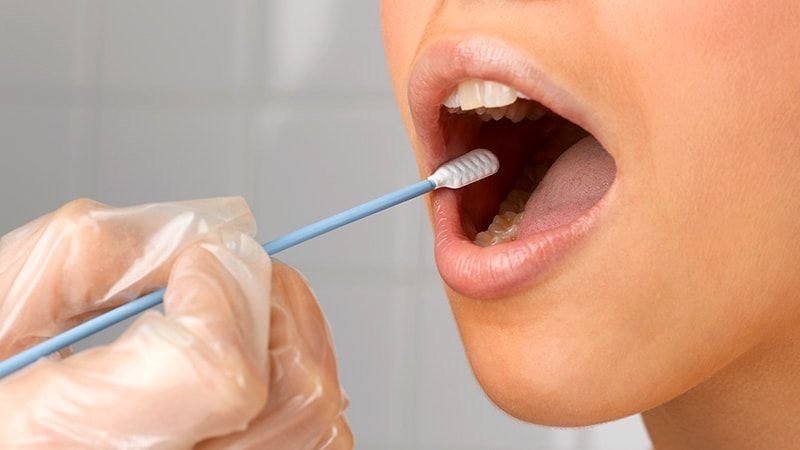
What is DNA Hormones testing?
If you've ever tried generic supplement and dietary advice to balance your hormones and found that some of it helped a little, some of it didn't touch your symptoms at all - and you wondered why the same approach that worked for someone else did nothing at all for you, part of the answer can be explained by your genetics.
DNA Hormones looks at the genetic variation behind how your body produces, converts, transports, and clears hormones - rather than measuring your current hormone levels the way a blood test or DUTCH test does.
The test examines 21 specific gene variants across three main areas:
Steroid hormone synthesis and conversion - the enzymes involved in producing and converting hormones including oestrogen, progesterone, testosterone, DHEA, and cortisol
Hormone binding and transport - how hormones are carried and made available to your tissues
Detoxification (phase I and phase II) - how efficiently your body clears hormones once they've been used
It also looks at gene variants linked to clotting factors - relevant if you're using or considering hormonal contraception or HRT, where clotting risk is already part of the conversation.
Is nutrigenomic testing useful for hormone imbalance?
Nutrigenomic testing isn't a diagnosis, and it isn't destiny. But it does provide information that helps personalise your nutrition, lifestyle, and supplementation, so your plan works with your biology rather than against it.
For example, genetic variation in how your body clears hormones through phase I and II detoxification can explain why some women need more targeted support than others to feel the benefit of an otherwise sensible protocol. This is often where nutrigenomic testing adds real value - not by telling you what's wrong, but by explaining why a particular approach might work better for you specifically than the generic version everyone else is trying.
What does this test show about hormone metabolism?
Hormones aren't simply present or absent - they're produced, converted, transported, and cleared from your body through a series of steps, and genetic variation can affect any point along that chain. Take oestrogen as one example: once produced, it's broken down through several different metabolic pathways, and which pathway your body favours genetically can influence how efficiently it's cleared - or doesn’t. The same kind of variation applies across the other hormones this test covers.
Understanding your particular pattern can help explain symptoms that don't respond the way standard hormone advice says they should.
How I work with your DNA Hormones results
Genetic results can read like a foreign language on their own - gene names and pathway diagrams that don't mean much without context. My job is to:
Translate the science into something practical, so you understand what your results mean for your day-to-day choices, not just the biology behind them
Use it to personalise your plans, not to alarm you - genetic variants are information to work with, not a verdict on your health
Combine it with your other testing and history, since genetics are one part of a much bigger picture, not the whole story
Build a plan around your specific biology, rather than hand you more of the same generic advice that hasn't worked for you before
Where DNA Hormone testing fits into your care
DNA Hormones can be used as a stand-alone test or alongside another functional test like DUTCH Plus. If DUTCH shows what your hormones and cortisol are actually doing, DNA Hormones helps explain the underlying genetic tendencies shaping those results - giving a fuller answer to both "what's happening" and "why." This test is available on either the Happier Hormones or Hormone Harmony programme.